
⚖ Tenant Rights · NYS Article 32 · Inwood, Manhattan · ZIP 10034
NYS Article 32 Explained for Tenants in Inwood, NY
If a mold company is coming through your building, or your landlord hired someone to look at a mold problem, New York State law says who is allowed to do that work and how. Here is what Article 32 actually requires, in plain language, and what it means for you as a renter in a pre-war Inwood building.
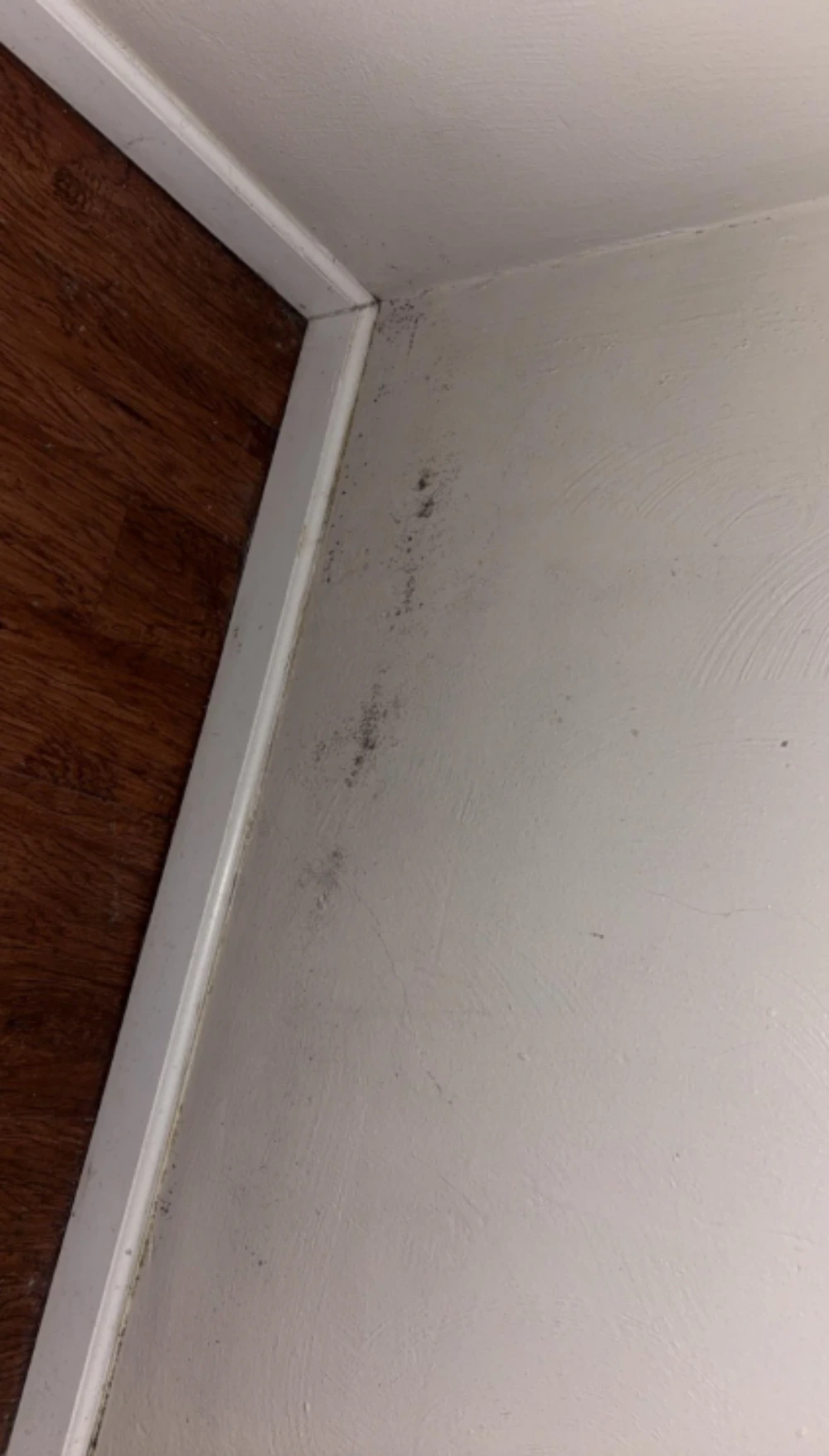
Real mold assessment job. Inwood, Manhattan – ZIP 10034.
Article 32 is the New York State law that decides who is legally allowed to test for mold and who is legally allowed to remove it, and it says, plainly, that it cannot be the same company. It was written directly in response to the wave of remediation fraud that followed Superstorm Sandy, when homeowners across the city were told they had a mold emergency by the same company that then sold them the fix. If you rent in a pre-war Inwood building and a mold company shows up, whether your landlord sent them or you found them yourself, Article 32 is the law that governs what they are and are not allowed to do.
Most tenants have never heard of Article 32 until they are already dealing with a mold problem, and by then it is easy to take whatever a contractor tells you at face value. Knowing the basic shape of the law before that conversation happens puts you in a much stronger position, whether you are trying to hold your landlord accountable or just trying to figure out if the company standing in your kitchen is doing this the right way.
What Is NYS Article 32, in Plain English?
Article 32 of the New York Labor Law took effect in 2016 and applies statewide. It covers any mold project affecting more than 10 square feet, which is most bathroom, kitchen, and basement mold situations in an Inwood apartment. Three things are required on a covered project:
- The company that assesses (tests and diagnoses) the mold must be separately, independently licensed from the company that remediates (removes) it. They cannot be the same business.
- The assessor has to produce a written mold remediation plan before any removal work starts, listing the affected rooms, the materials involved, the removal method, and a cost and time estimate.
- Once the remediation is finished, an independent party, not the remediator, has to perform clearance testing to confirm the space is actually clear. The remediator cannot sign off on their own work.
There are three individual license categories under the law: Mold Assessor, Mold Remediation Contractor, and Mold Abatement Worker. These are role-specific and issued to individuals, not just a business name, which means a company having a license does not automatically mean every worker they send is licensed to do that specific job.
Can My Landlord’s Contractor Both Test and Remove the Mold?
No, not legally, if the job covers more than 10 square feet. A company that offers to test your apartment for mold and then also perform the removal, using the same crew and the same visit, is describing something Article 32 does not allow for a project of that size. This is the single most useful thing to know as a tenant: if a contractor’s pitch is “we’ll come look at it and take care of it same day,” ask directly whether the assessment and the remediation are being handled by two separate, independently licensed parties. A legitimate operator will have a straightforward answer.
Why Does Article 32 Matter If You’re a Renter in Inwood?
In a lot of Inwood’s rent-stabilized pre-war walk-ups, the mold company that gets hired is whoever the landlord or management company already has a relationship with, and tenants rarely get to see the paperwork. Article 32 matters here because it gives you something concrete to point to. You are not asking your landlord to trust your opinion about how serious the mold is, you are asking whether the process followed the law. That is a very different conversation, and one documentation-forward mold companies are used to having.
It also protects you from the opposite problem: a contractor who shows up, calls everything “toxic black mold,” and quotes a number designed to scare you into signing before you have time to think. A written remediation plan and a genuinely independent clearance test are the two things that keep both sides honest, the tenant who wants the problem actually fixed, and the landlord who does not want to overpay for unnecessary work.
How to Tell If a Mold Company Working in Your Building Is Actually Licensed
New York State license numbers for mold assessors, remediation contractors, and abatement workers are publicly verifiable at dol.ny.gov. Before any work starts in your unit, it is reasonable to ask for the name of the assessor and the name of the remediation contractor, and to confirm they are two different, independently licensed entities. You can look up an individual license directly through the state, it takes a few minutes.
What Should Be in a Legitimate Mold Remediation Plan?
A written plan produced by a licensed assessor should specify which rooms and materials are affected, the removal method being used, a cost and time estimate, and what the moisture source was found to be. If a contractor starts removal work without ever producing anything in writing, or the “plan” is a verbal quote given on the spot, that is a sign the Article 32 process was not followed.
What Article 32 Does Not Cover
Article 32 governs licensing and process for the remediation industry, it is not the same as an HPD housing inspection. If you have filed a 311 complaint about mold, the HPD inspector who visits is checking for visible mold conditions to determine whether to issue a violation. That inspection is not the same as an independent environmental assessment, and it typically does not include lab testing to identify mold species or map moisture behind walls, that is a separate service from a licensed assessor. Article 32 is what governs that separate assessment, not the HPD complaint process itself. See our full breakdown on NYC mold laws explained for how the two processes fit together.
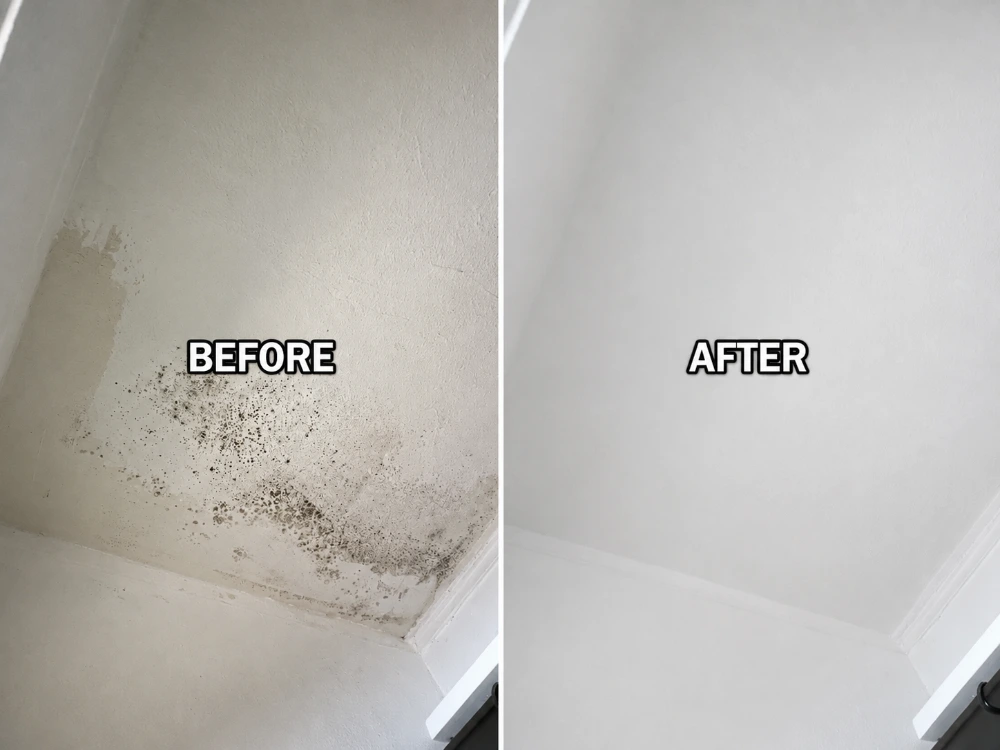
Independent clearance testing, part of the Article 32 process. Inwood, Manhattan – ZIP 10034.
What to Do If You Suspect Your Landlord Skipped Article 32 Requirements
Document what you can: the name of the company that came through, whether one crew both assessed and removed the mold, and whether you were ever shown a written plan or clearance results. If your landlord is claiming the mold problem is resolved but you were never given documentation, you can ask directly for the assessor and remediator license numbers and the clearance test results. If they cannot produce them, or the mold keeps coming back, that is worth raising when you file a 311 complaint or if you are dealing with a landlord who will not act at all.
Not sure if the mold work in your building followed the process it should have? We can walk you through what to look for. Call (917) 694-9003.
Article 32 for Tenants – Frequently Asked Questions
Think a Mold Job in Your Building Skipped a Step? Ask Us.
Free guidance on what Article 32 requires. Inwood, Manhattan – ZIP 10034. No pressure, no obligation.