
🌊 Superstorm Sandy · Hurricane Ida · Sherman Creek · Inwood, Manhattan · ZIP 10034
Hurricane Sandy Mold in Inwood: Why 2012 Flood Water Still Shows Up Today
On October 29, 2012, Sherman Creek overflowed and pushed water across Tenth Avenue into Inwood’s lowest blocks. A lot of that water was pumped out and painted over, not dried. Here’s what Sandy and Ida really did uptown, how old flood damage turns into new mold, and how to check your building before the next storm.
Updated September 26, 2026. Based on news records, NYC data and what we find inside Inwood walls. Hablamos Español.
Hurricane Sandy mold is not just a 2012 story in Inwood. October 29 marks another anniversary of Superstorm Sandy. Most people in Inwood remember that night for the wind and the dark. We remember it for what it left behind: basements and ground floors that got pumped out and painted over, and walls that never fully dried.
Some of the mold we’re called about in Inwood today traces back to water that came in years ago. Not all of it, and we’ll be honest about that below. Here’s what Sandy and Ida actually did uptown, how old flood damage turns into new mold, and how to check your own building.
What did Hurricane Sandy do to Inwood?
It flooded the low-lying east side. On the night of October 29, 2012, Sherman Creek overflowed at high tide around 9 p.m. and pushed water across Tenth Avenue into the Dyckman Houses. A resident at West 202nd Street and Tenth Avenue described water knee-deep in the building lobby and hip-deep outside, as DNAinfo reported the next day. High tide also pushed water onto the ballfields at Inwood Hill Park, and the Harlem River Drive was closed most of the next day.
Most of Inwood sits higher, on the ridge along Broadway and west toward the park, and stayed dry. But the blocks along the Harlem River side, where the land drops toward Sherman Creek and Tenth Avenue, took water into lobbies, basements, boiler rooms and ground-floor apartments.
Is Hurricane Sandy mold still a problem in 2026?
Yes, where materials were never properly dried. After Sandy, a lot of water was pumped out and surfaces were wiped down, but wall cavities, subfloors and old masonry were rarely dried to a measured target. Brick, plaster and concrete hold moisture for years. Any new leak or humid summer can restart mold in the same spots, and renovation often uncovers it behind walls that looked fine.
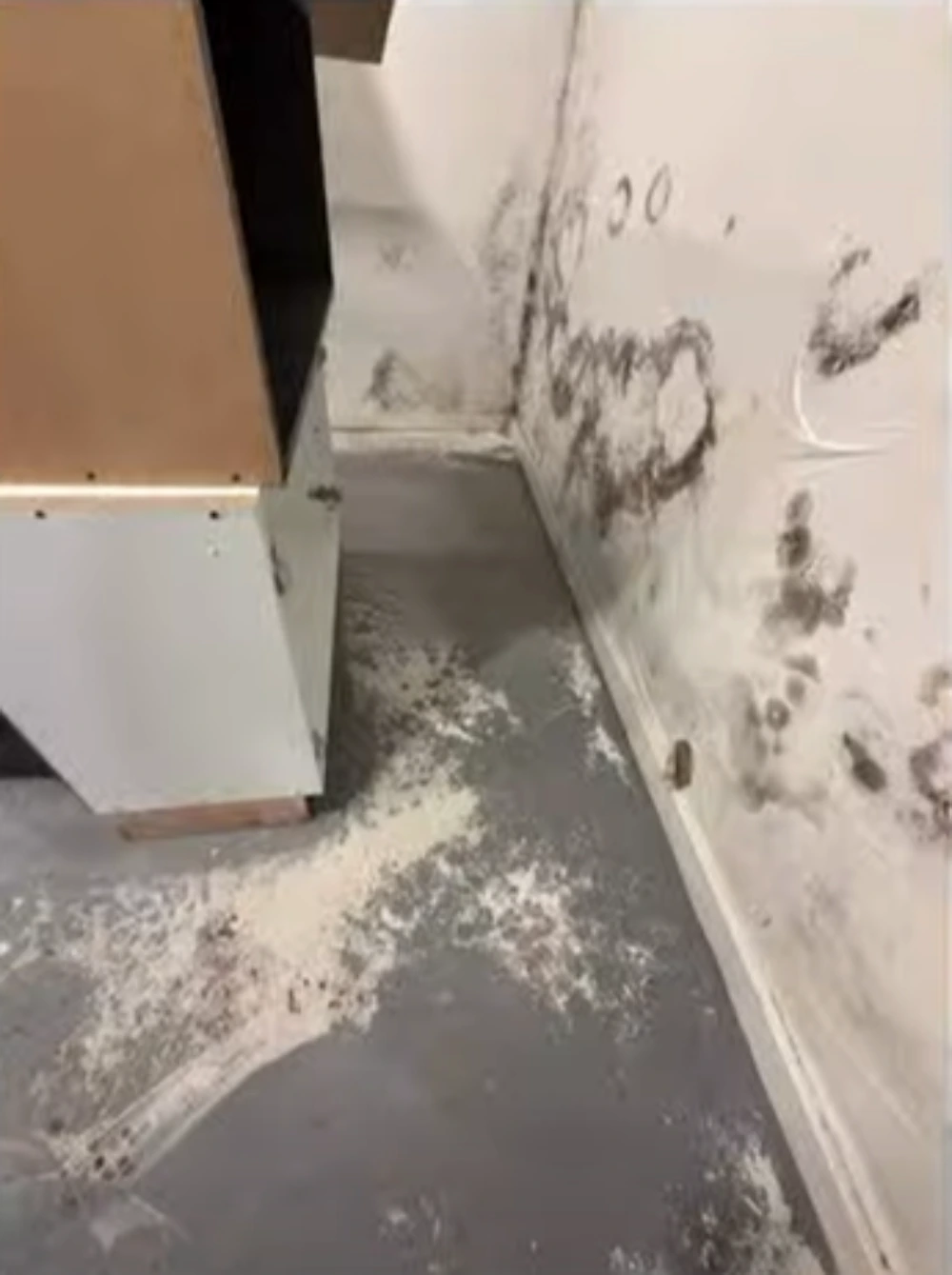
What does that look like in practice? A basement wall that smells musty every August. A ground-floor apartment where the baseboards keep lifting. A storefront cellar on Dyckman Street where the bottom two feet of the wall never quite dry. When we open these up, the pattern is usually the same: an old tide line, damp masonry behind it, and mold on whatever organic material sat against it.
We’ll be straight with you, though. Most Inwood mold today is not from Sandy. It’s from leaking risers, roofs, condensation and basements in 100-year-old buildings, which we cover on why pre-war Inwood buildings get mold. Sandy matters mainly on the low blocks that actually flooded.
Did Hurricane Ida cause more mold in Inwood?
Not in the city data. Ida dropped a record 3.15 inches of rain in one hour on Central Park on September 1, 2021, and the city’s deadliest flooding was in basement apartments. Citywide, mold complaints jumped that month. In Inwood, though, 311 mold complaints in September 2021 (24) were in line with the months around it.
That doesn’t mean Ida did nothing here. Flash flooding and sewer backups hit basements uptown, and a lot of that damage was handled privately and never reported as a mold complaint. If your basement took water in 2021 and it was just pumped and left, treat it the same way as Sandy damage: check the walls and floor, and dry it properly. Our Inwood mold data page has the full complaint record.
Is your Inwood building in a flood zone?
The lowest parts of Inwood are. The Dyckman to 207th Street area near Sherman Creek and the Harlem River shoreline are mapped flood zones. Blocks up on the ridge along Broadway and west toward Inwood Hill Park generally aren’t. Check your exact address on the NYC Flood Hazard Mapper, and look at both the current FEMA map and the future flood zones.
Here’s a hopeful local note: the New York Restoration Project installed an oyster reef along about 500 feet of the Sherman Creek wetland (The Counter), built to soften wave energy and hold the shoreline. It won’t stop a Sandy-scale surge, but it’s the kind of green infrastructure that helps.
What are the signs of old flood damage mold?
Old flood damage mold sits low and repeats in patterns: a tide line at the same height along basement or ground-floor walls, white crust on brick, a musty smell that gets worse after rain, and swollen baseboards or subfloors. It concentrates at the bottom of walls and in places that never get sun, and flood damage mold behind a finished wall almost always needs the wall opened.
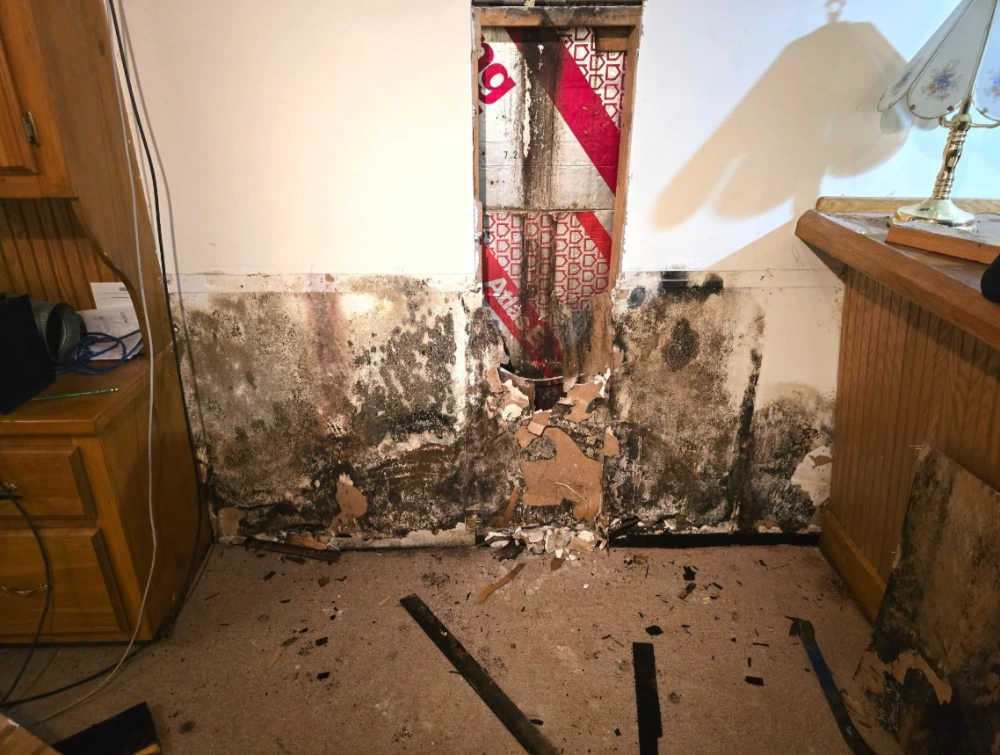
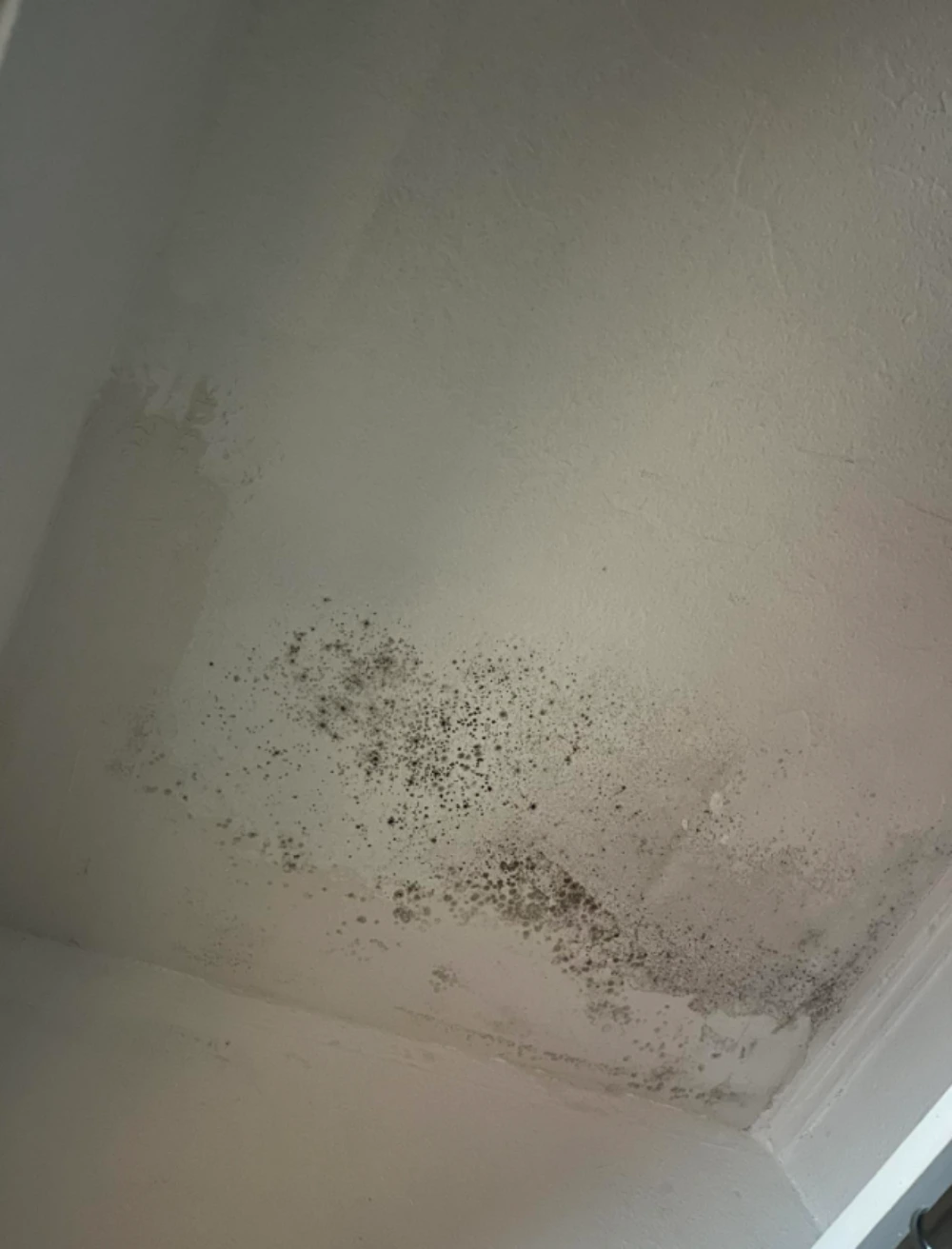
- A faint tide line or discoloration at the same height along basement or ground-floor walls
- White, powdery crust (efflorescence) on brick or concrete, a sign water is moving through it
- Musty smell that gets stronger after rain or in August
- Baseboards, subfloors or door frames that are swollen, lifting or soft
- Rust at the base of metal studs, boiler equipment or shelving
- Paint that keeps bubbling on the lower part of walls
Seeing two or more? Get a moisture reading before anyone opens the wall. For projects over 10 square feet, Article 32 requires an independent licensed assessor to document the extent and write the plan. We remediate, and we coordinate that assessor for you. More on basement mold removal and water damage mold.
Does insurance cover mold from old flood damage?
Usually not. Standard homeowners and renters policies exclude flood water, which needs separate NFIP or private flood coverage. Gradual moisture from old damage is typically excluded as well. Sudden internal events, like a burst pipe, are often covered if reported promptly. Whatever your situation, dated photos and a written moisture report help any claim or landlord dispute.
How do you get ready for the next storm?
Get ready before the storm and act within 48 hours after it: check sump pumps and drains before hurricane season, keep storage off basement floors, and if water gets in, remove it, pull soaked drywall and dry the structure to a metered target. Speed matters because mold can start on wet porous materials within 24 to 48 hours. The checklist:
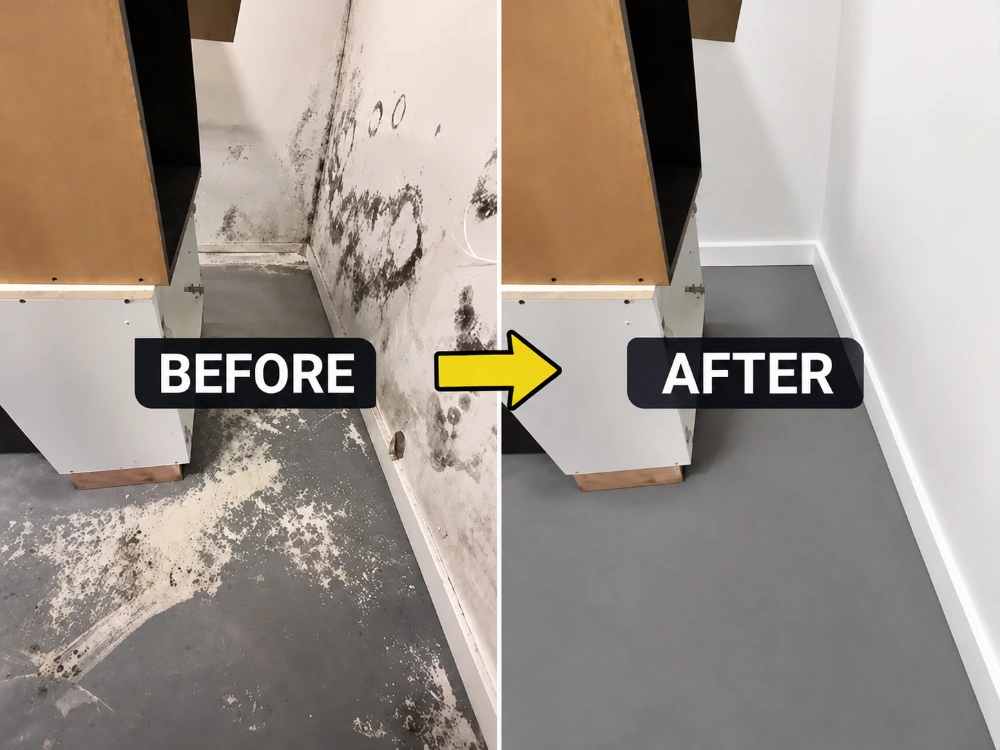
- Landlords: check sump pumps and consider a backwater valve on the sewer line in low-lying buildings.
- Move storage off basement floors and away from exterior walls.
- Clear gutters, drains and window wells before hurricane season, August through October.
- If water gets in: remove it, pull soaked drywall and insulation, and dry to a metered target, not just until it looks dry.
- Tenants: report flooding to your landlord in writing the same day, with photos.
Water in your building right now? That’s an emergency job. See emergency mold removal or call us directly. If you suspect Hurricane Sandy mold in a basement or ground-floor unit, call (917) 694-9003 before the next storm season.
We dry out and remediate storm and flood mold across Inwood (ZIP 10034) and nearby Upper Manhattan, including Washington Heights and Marble Hill.
For how homeowners, renters and flood (NFIP) policies treat mold after a storm, see our NYC mold insurance guide.
Frequently Asked Questions: Sandy, Ida and Flood Mold in Inwood
Can flood damage from Hurricane Sandy still cause mold today?
Did Hurricane Sandy flood Inwood?
Did Hurricane Ida cause more mold in Inwood?
Is my Inwood building in a flood zone?
Does insurance cover mold from old flood damage?
How fast does mold grow after a flood?
Old Water Damage or a Musty Basement in Inwood?
Inwood, Manhattan – ZIP 10034. We find the moisture source first, give you a written scope, and use independent clearance testing. No pressure, no fear-mongering.
📞 Call (917) 694-9003 – Describe What You’re Seeing