
📍 Marble Hill · Manhattan on the Bronx Mainland · ZIP 10463 · Across the Broadway Bridge from Inwood
Mold Removal in Marble Hill: Damp Basements, Old Houses and Hidden Leaks
Marble Hill is the one piece of Manhattan you reach by crossing the Harlem River from Inwood. It’s also different from the rest of Upper Manhattan: mostly older one and two family houses on a steep hill, surrounded by water on old filled-in creek land. We find where the moisture is coming from, give you a written scope before work starts, and use independent clearance testing to prove it’s done.
Updated September 26, 2026. Same-day assessments anywhere on the hill, a few minutes over the bridge. Hablamos Español.
Most mold removal Marble Hill jobs we see are in one and two family houses, and they are rarely just one wall. Walk across the Broadway Bridge from Inwood and you’re still in Manhattan, but it doesn’t look like it. Marble Hill is a small hill of older one and two family houses, a few walk-ups, the Marble Hill Houses towers along Broadway, and the 225th Street station overhead. We work here the same way we work in Inwood, but the building stock is different, and so are the places mold hides.
This page covers why Marble Hill homes get mold, what the city’s records show, what it costs, and how the rules work for owners and renters in a neighborhood that sits in Manhattan on paper and the Bronx on the map.
Marble Hill Mold at a Glance
Is Marble Hill in Manhattan or the Bronx?
Legally Manhattan, physically the Bronx. Marble Hill was the northern tip of Manhattan until the Harlem River Ship Canal cut through in 1895. Around 1914, the old Spuyten Duyvil Creek on its north side was filled in, and the neighborhood ended up attached to the Bronx mainland. It uses Bronx ZIP 10463 and belongs to Bronx Community Board 8, but for 311 and HPD it’s Manhattan.
Why does that matter for mold? Two reasons. First, when you file a complaint or look up violations, your address is a Manhattan address, so search it that way. Second, part of the neighborhood literally sits on filled-in creek bed, surrounded by the canal and the Harlem River, which is exactly the kind of ground that holds water.
Why do Marble Hill homes get mold?
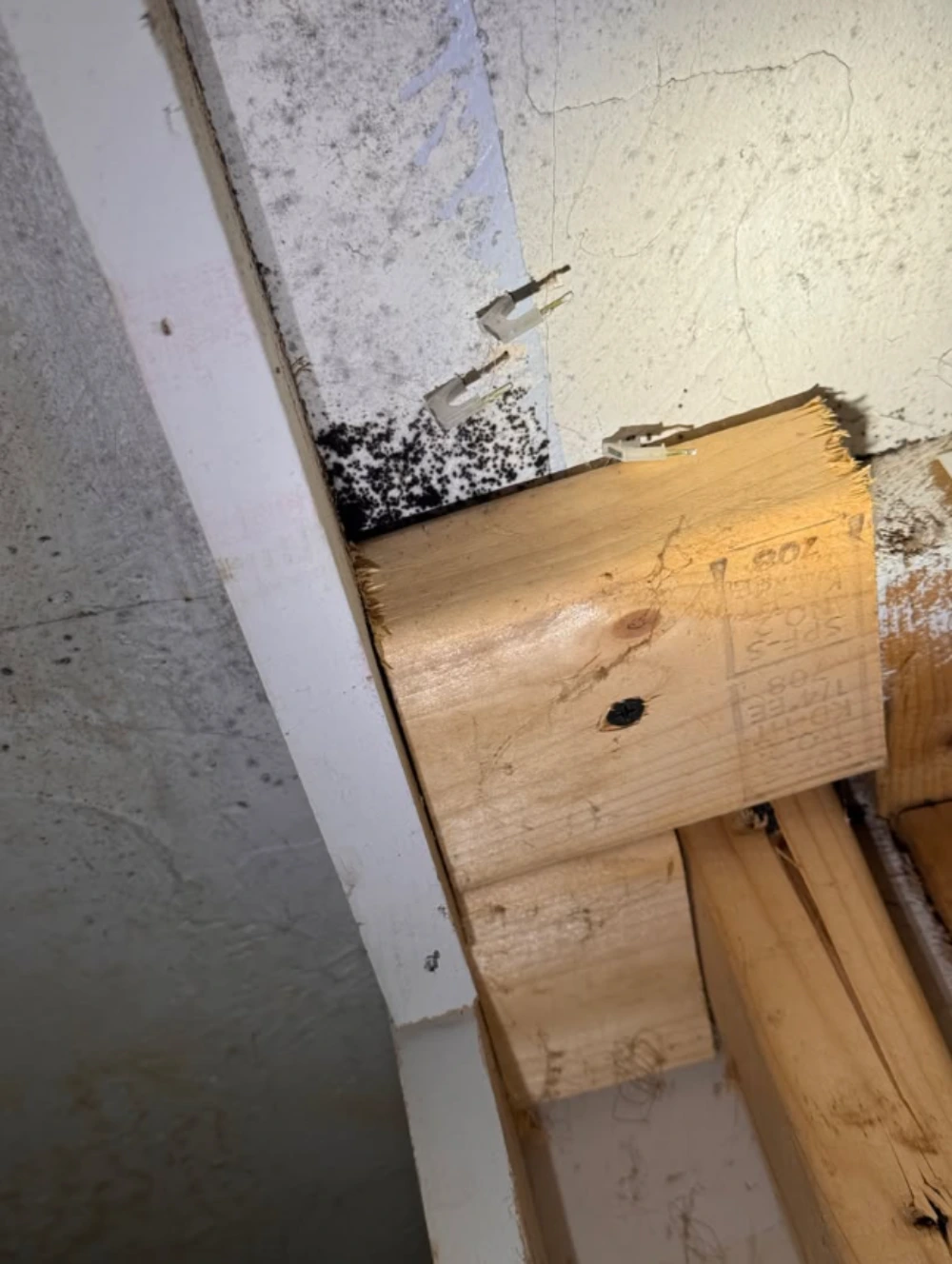
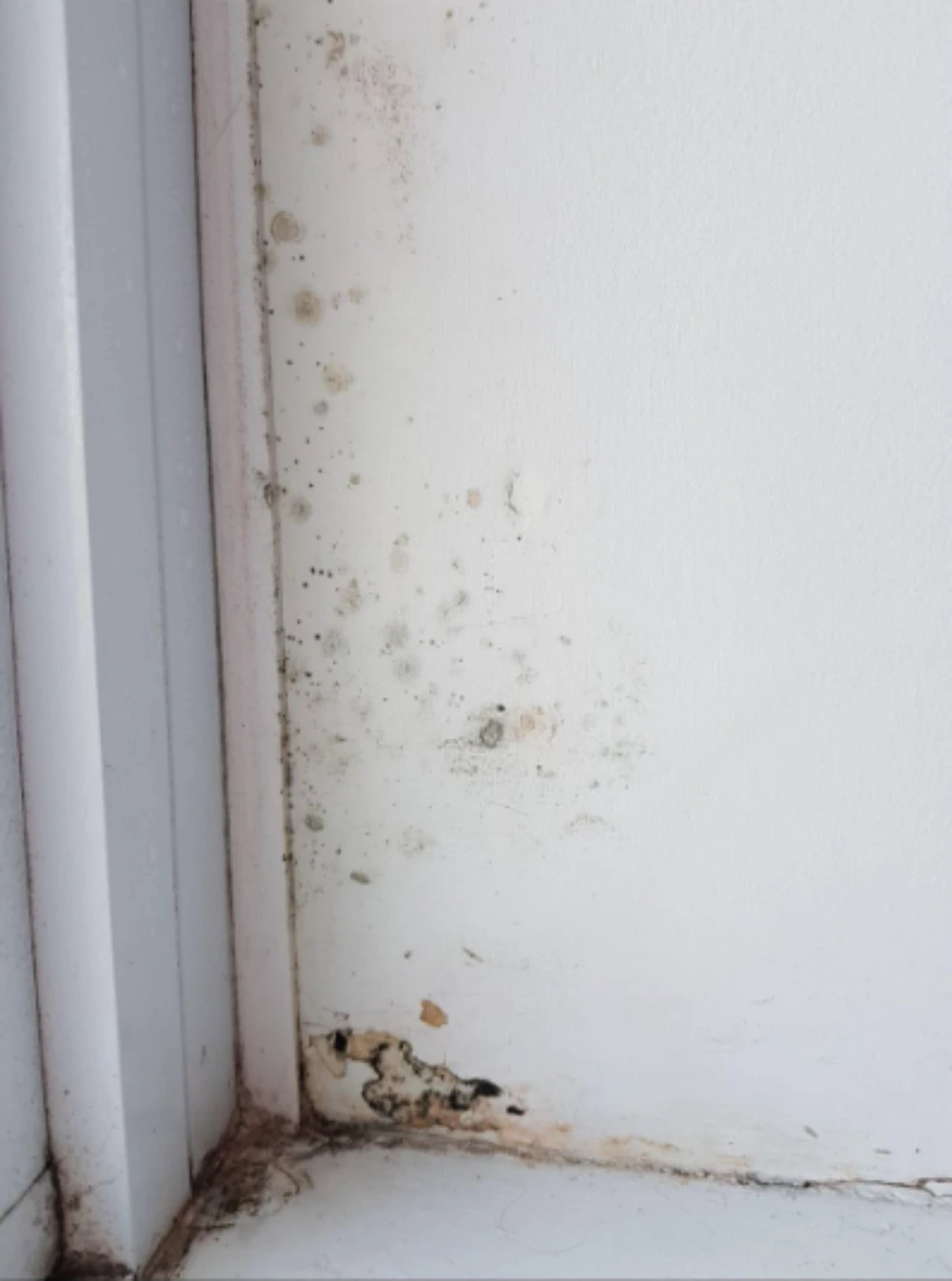
Old houses, a steep hill and water on every side. Most Marble Hill buildings are small, older homes, with a median build year of 1924. Unlike Inwood’s walk-ups, these houses have attics, crawl spaces, full basements, gutters and retaining walls, all of which can trap moisture a normal apartment never deals with.
Houses cut into a hill
Streets like Jacobus Place, Adrian Avenue and Terrace View Avenue climb steeply. Houses built into the slope have basement walls holding back wet soil, and water finds its way through old mortar every hard rain.
Old creek, new ground
The blocks at the bottom of the hill sit near the filled-in bed of Spuyten Duyvil Creek, with the Harlem River Ship Canal on the other side. Low ground plus fill means a higher water table and damp basements.
Attics and crawl spaces
A 100-year-old house with a poorly vented attic grows mold on the underside of the roof deck every winter. Crawl spaces under additions and porches stay wet and out of sight.
Gutters and trees
Mature trees on the hill fill gutters every fall. Overflowing gutters and short downspouts dump roof water right against the foundation, then into the basement.
How do you know if it’s mold or just a damp basement? A basement that smells musty, shows white fuzz or dark spotting on the bottom of walls or on stored boxes, or has paint peeling off the foundation has more than a humidity problem. Keep basement humidity under 60% with a dehumidifier. If the smell or spots come back anyway, get it assessed.
Our Mold Services in Marble Hill
Houses and apartments get different problems, and we handle both, anywhere on the hill. Every job starts the same way: find the water source first.
🏠
Basement Mold Removal
Hillside basements holding back wet soil, and low blocks near the old creek bed. The most common Marble Hill job.
🌊
Water Damage & Post-Flood Mold
Burst pipes, storm water and backed-up drains. We document the cause for your homeowners insurance claim.
⬛
Black Mold Removal
Handled accurately, not sold on fear. “Black mold” is a color description, not a species diagnosis.
🏚️
Attic Mold Removal
Older houses with poorly vented attics, where mold grows on the underside of the roof deck each winter.
🚿
Bathroom Mold Removal
Grout, ceilings, behind the tub and under the sink, usually a slow leak or a missing exhaust fan.
🚿
Kitchen Mold Removal
Under-sink leaks, dishwasher & fridge lines, cabinet mold. The kitchen callback nobody expects.
🕳️
Crawl Space Mold
Under porches, additions and older house sections, damp and out of sight until you smell it.
🔬
Independent Mold Testing
Done by a separate licensed assessor we coordinate for you – that’s the law. Air sampling + lab results.
⚡
Emergency / 24-Hour Response
Burst pipe, active leak, basement flooding, sewage backup. We respond fast and document for insurance.
How common is mold in Marble Hill?
Less widespread than Inwood or Washington Heights, but rising fast. Marble Hill filed 64 mold complaints with 311 in 2025, from 23 different addresses, up from 35 in 2021. The peak year was 2024 with 92 complaints. HPD issued 90 mold violations in Marble Hill in 2025 across 22 buildings, about 1 in 8.
Source: NYC Open Data (311 Service Requests), filtered to borough Manhattan and ZIP 10463, pulled September 2026. Numbers are small, so single buildings can move them. Method on our Inwood mold data page.
One honest caveat: most Marble Hill apartments are in the Marble Hill Houses, a NYCHA development built around 1951, and NYCHA mold problems mostly go through NYCHA’s own repair system rather than HPD. So these numbers mainly reflect private houses and walk-ups, not the whole neighborhood.
When is mold season in Marble Hill?
September through November. Across 2021 to 2025, Marble Hill’s busiest months for mold complaints were September, October and November, and the quietest were April and May. That’s when leaves clog the gutters, the heat comes on, and summer moisture in basements and attics starts to show.
For homeowners, the fix is mostly seasonal maintenance: clean gutters after the leaves drop, extend downspouts away from the foundation, and run a basement dehumidifier through summer.
Mold Removal Marble Hill: How Do We Handle It?
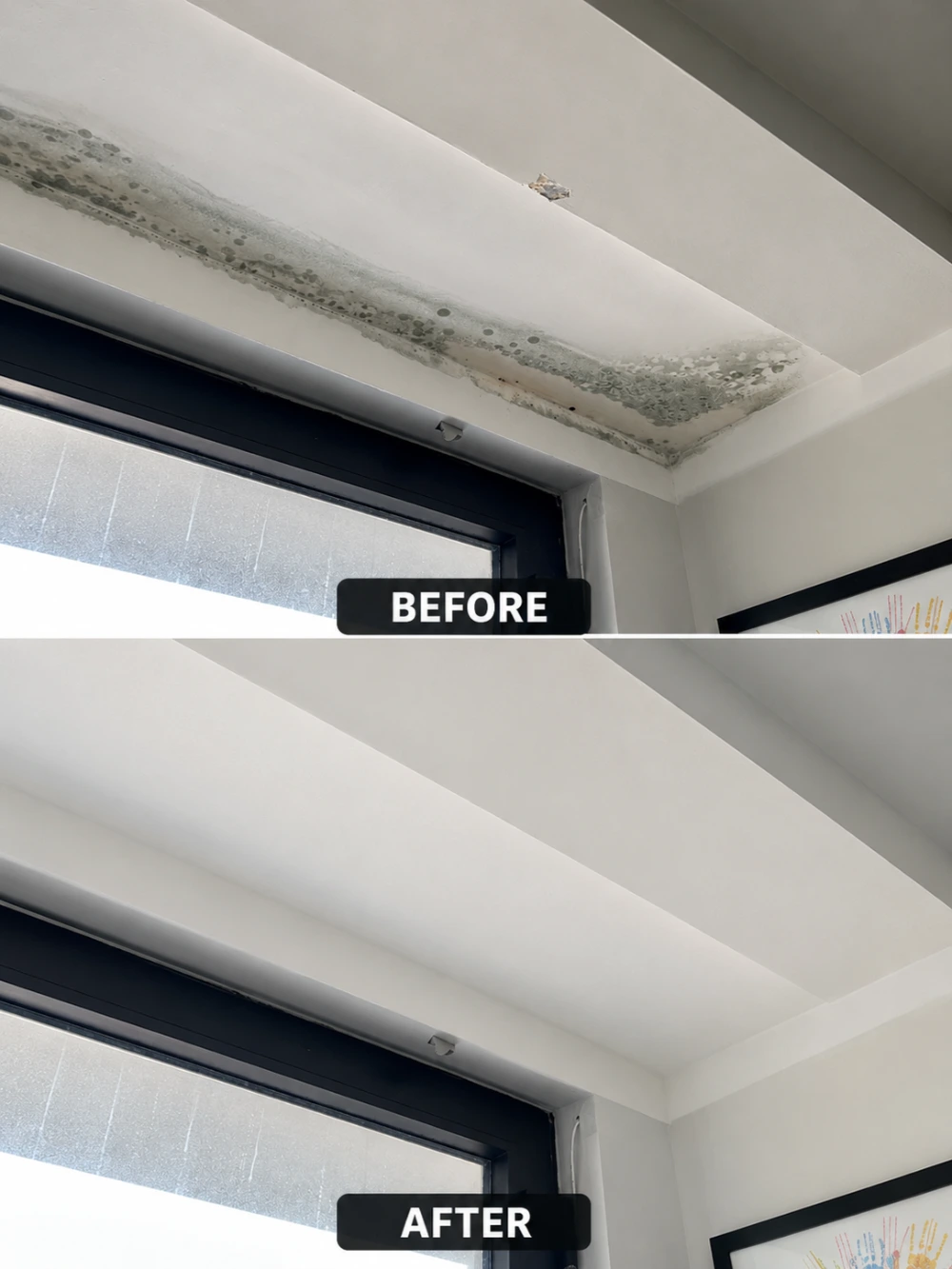
We walk the whole house, not just the stained wall. In a Marble Hill home the water often starts somewhere else: a gutter, a foundation crack, a roof valley. On any job over 10 square feet, state law puts an independent licensed assessor in charge of the plan and the final sign-off, and we do the removal. We book that assessor for you.
Find the water
Foundation, gutter, roof, plumbing or condensation. In a house we check the attic, basement and crawl space, not just the room you called about.
Independent assessment and written scope
The assessor maps how far the growth goes, room by room and floor by floor. Nothing gets opened until you have the scope and the price on paper.
Contain, remove, treat
Containment and negative air, removal of contaminated drywall, insulation or framing, HEPA cleaning and EPA-registered antimicrobial treatment.
Dry, then clear
Fans and dehumidifiers run until the moisture meter says the wood and masonry are dry. Then the assessor takes air and surface samples for an accredited lab. Keep that clearance report with your deed papers; buyers and their inspectors ask for it.
Room and space guides: basement mold, attic mold, crawl space mold and water damage mold.
Mold Remediation Marble Hill Costs: What Will You Pay?
Most Marble Hill house jobs land between $2,500 and $7,500. That covers a basement wall, a bathroom or a crawl space. If it is one contained patch, like a closet corner or a window return, expect $800 to $2,500. A whole basement, a full attic or anything after a flood usually starts at $8,000 and can pass $25,000. On top of the remediation, the independent assessor charges $350 to $900 and the clearance test $300 to $600. Every mold remediation Marble Hill job gets a written estimate before work starts.
Will homeowners insurance cover it? Sudden events like a burst pipe usually are, if reported quickly. Slow leaks, humidity and groundwater usually aren’t, and flood damage needs separate flood coverage. Full breakdown on our mold removal cost page.
What if you rent in Marble Hill?
It depends on your building. In a private building with 3 or more apartments, your landlord must inspect for mold every year under Local Law 55 and fix it. If they don’t, file with 311 using your Manhattan address and HPD will inspect. See how the 311 and HPD process works and tenant rights and mold.
In the Marble Hill Houses, report mold to NYCHA and keep your ticket numbers and dated photos. If repairs don’t happen, an HP Action in Housing Court is the usual next step. Our NYCHA mold guide covers the process, and free legal help options are listed here.
Do you serve all of Marble Hill?
Yes, the whole hill. From Broadway and the 225th Street station up Marble Hill Avenue, Jacobus Place, Adrian Avenue, Terrace View Avenue and West 228th Street. We’re based at 61 Seaman Ave in Inwood, just across the Broadway Bridge. We also cover Inwood and Washington Heights. For mold removal Marble Hill wide, from Broadway to the Ship Canal, call (917) 694-9003.
Frequently Asked Questions: Mold Removal in Marble Hill
Do you offer mold removal in Marble Hill?
Is Marble Hill in Manhattan or the Bronx?
How common is mold in Marble Hill?
Why do Marble Hill houses get mold?
How much does mold removal cost in Marble Hill?
What if I live in the Marble Hill Houses?
Mold in Your Marble Hill Home or Apartment?
Marble Hill, Manhattan – ZIP 10463, just across the Broadway Bridge from Inwood. We find the moisture source first, give you a written scope, and use independent clearance testing. No pressure, no fear-mongering.
📞 Call (917) 694-9003 – Describe What You’re Seeing