
🏠 Attic Mold Removal · Roof Leaks · Poor Ventilation · Inwood, Manhattan · ZIP 10034
Attic Mold Removal in Inwood, Manhattan
Attic mold in a pre-war Inwood walk-up is almost always tied to two things: a roof or parapet leak that was patched but never properly dried, or inadequate ventilation in a space that traps summer humidity and winter condensation. We find the moisture source, remediate what has grown, and give you independent clearance documentation.
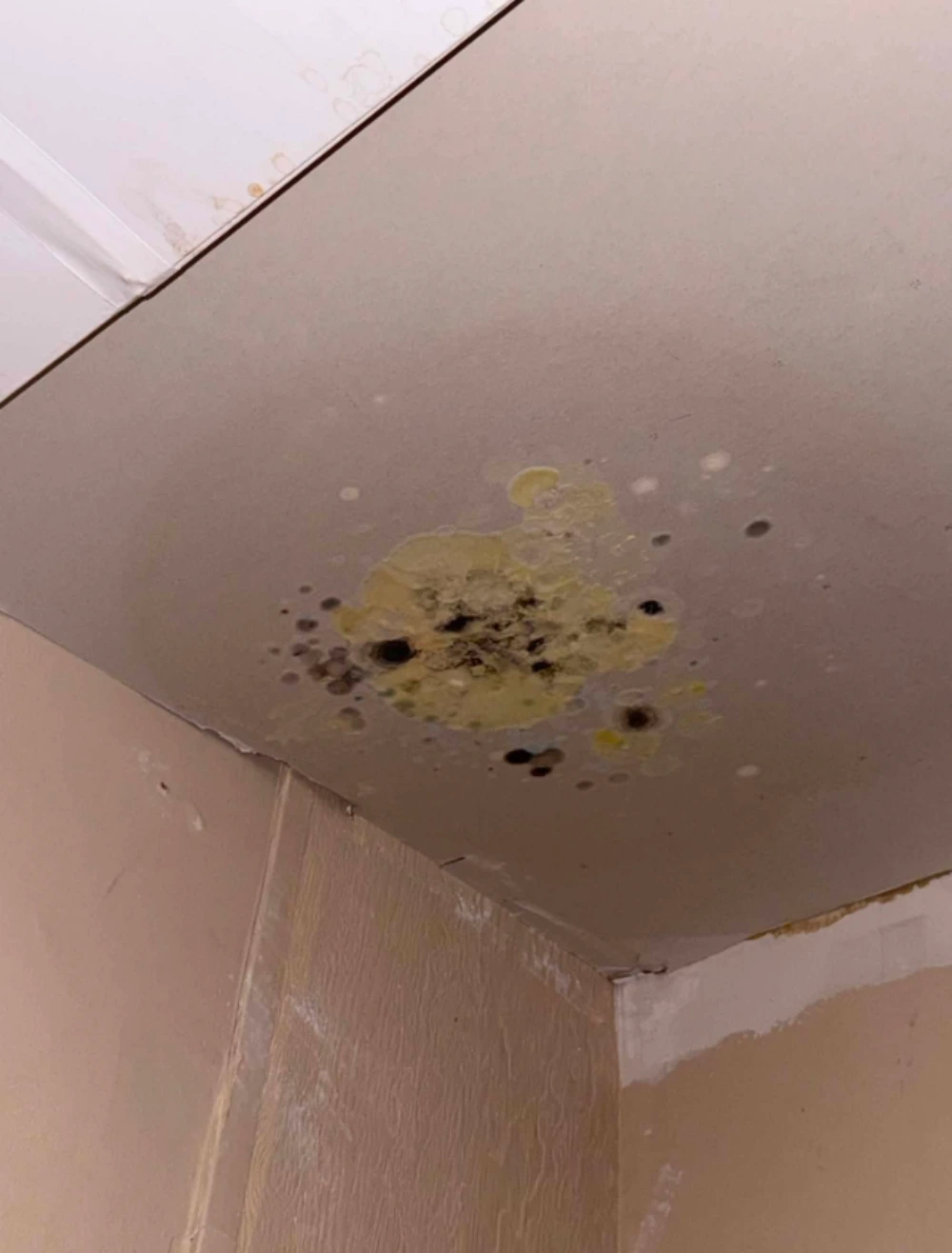
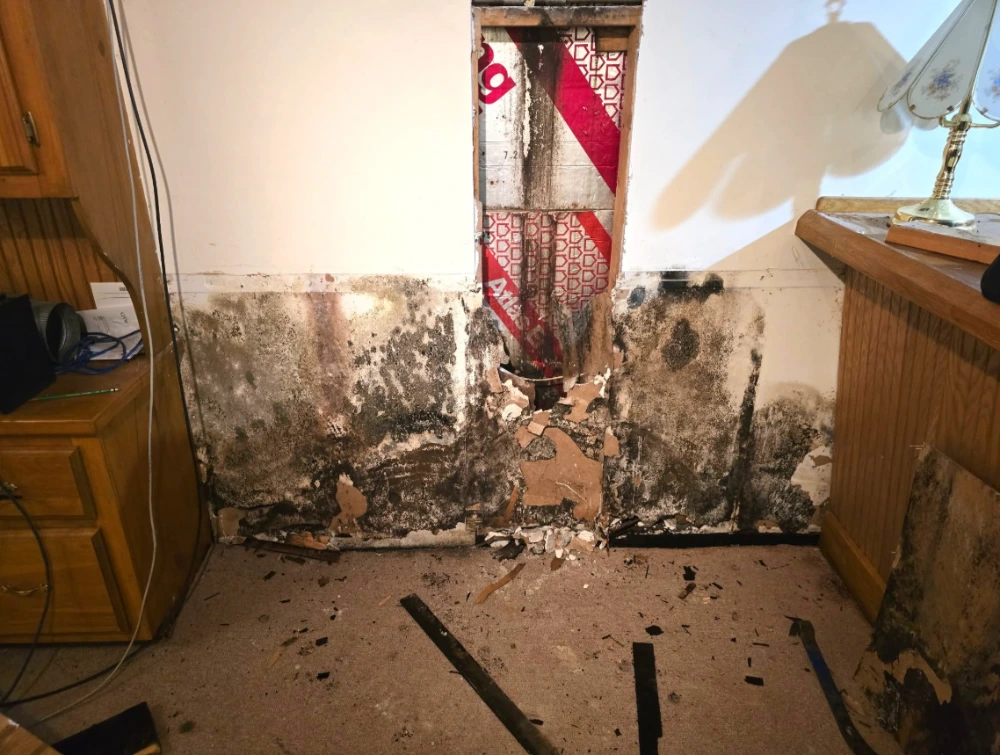
Real jobs. Inwood, Manhattan – ZIP 10034. Article 32 licensed.
Attic mold in Inwood’s pre-war walk-ups shows up in two distinct patterns, and knowing which one you’re dealing with changes the whole approach. The first is roof-leak-driven: water comes in through a failing parapet, deteriorated flashing, or a membrane that hasn’t been properly maintained, saturates the wood framing and any insulation in the attic space, and mold establishes in the wall cavity before anyone notices a water stain on the top-floor ceiling. The second is ventilation-driven: no active leak, but a poorly ventilated attic space with no air exchange accumulates moisture from interior air migrating upward through the ceiling assembly, and mold grows on the underside of the roof decking and framing.
In Inwood’s six-story walk-ups, there’s a third pattern specific to this neighborhood: deferred maintenance on flat roofs in rent-stabilized buildings. These buildings were built in the 1920s, the roofing systems have been patched repeatedly over decades, and the ownership structure in many cases means major capital work gets deferred. When the roof eventually fails – and they do – the water has often been slow-intruding for months before the top-floor tenants notice anything. By then the attic framing has been wet long enough for mold to establish well beyond the visible area.
Why Attic Mold Is a High-Ticket Problem in Pre-War Buildings
Attic mold in older buildings is more expensive to remediate than basement mold for two structural reasons. First, access: attic spaces in pre-war walk-ups are often cramped, have limited entry points, and require scaffolding or other staging to work in safely. Second, the materials typically involved – roof decking, structural rafters, framing members that form the top of the building envelope – are the load-bearing parts of the structure, and contaminated wood framing may need to be partially or fully replaced rather than just cleaned.
What does attic mold look like in Inwood buildings?
The first sign is usually a water stain ring on the top-floor ceiling that appeared after a heavy rain and never fully cleared. As mold establishes, you may see dark discoloration spreading from the stain, or peeling paint and bubbling drywall as moisture continues to work through. In some cases the attic mold is identified only when a roof repair contractor opens up the space – the top-floor tenants may have no visible indication at all while significant mold growth has been present in the cavity above them for months.
Does attic mold spread to the apartment below?
Mold spores can migrate from an attic space into the living space below through gaps in the ceiling assembly, light fixtures, exhaust penetrations, and around the edges of drywall. In older buildings where the ceiling assembly is less airtight than modern construction, this is a real pathway. Air sampling in the top-floor unit is often warranted when significant attic mold is discovered – the independent assessor’s scope will typically address this question directly.
The Attic Mold Remediation Process in Inwood Buildings
Independent Assessment First
A licensed assessor inspects the attic space, takes air and surface samples, assesses the extent of mold growth and moisture source, and writes a remediation plan before any work begins. Under Article 32, for any project over 10 square feet, this document is required before a remediator can start.
Moisture Source Addressed
The roof leak, parapet failure, or ventilation deficiency that caused the mold must be corrected before or in coordination with remediation. Remediating mold in an active moisture environment will not result in passing clearance testing.
Containment
The attic space is isolated from the living area below with poly barriers at any penetration points. Negative air pressure prevents spore migration during active remediation.
Contaminated Material Removal
Wood framing with deep mold penetration, deteriorated insulation, and any other contaminated porous materials are removed and bagged. Non-porous surfaces that can be retained are HEPA-vacuumed and treated.
Drying to Target Moisture Reading
Industrial drying equipment runs until wood moisture readings are confirmed normal. This is the step most attic jobs miss – declaring the job done before the structural members are actually dry.
Independent Clearance Testing
A separately licensed assessor takes air and surface samples after remediation. Results go to an AIHA-accredited lab. You receive the clearance documentation – required for HPD Certification of Correction and for co-op board disclosure.
Who Is Responsible for Attic Mold Remediation in an Inwood Building?
In a rental building, attic mold caused by a building system failure – roof condition, parapet maintenance, ventilation design – is the landlord’s responsibility. If you’re a top-floor tenant with ceiling stains or a confirmed mold finding, notify your landlord in writing with dated photographs. If they don’t respond, a 311 complaint triggers an HPD inspection. For buildings with 10 or more units, mold over 10 square feet requires the full Article 32 licensed-party process – assessor, remediator, clearance testing – which the landlord is responsible for arranging and paying for.
For co-op owners in Inwood’s Art Deco elevator buildings west of Broadway, the question of building vs. shareholder responsibility is governed by the proprietary lease and house rules. Attic/roof-related mold is almost always a building responsibility, but the specific boundary depends on your documents. The co-op’s managing agent and the board’s attorney should be involved before any work begins, particularly if the mold finding will become part of a co-op board disclosure package.
Attic mold removal is available across Inwood (ZIP 10034) and nearby Upper Manhattan, including Washington Heights and Marble Hill. Same process, same written scope, same independent clearance.
Attic Mold in Inwood – Frequently Asked Questions
Attic mold in a pre-war walk-up is almost always bigger than the visible area. Call and describe what you’re seeing. Call (917) 694-9003.
Attic Mold or Roof Leak Damage? Call Today.
Same-day response for urgent situations. Inwood, Manhattan – ZIP 10034. Article 32 licensed. Written scope, independent clearance.
📞 Call +1 (917) 694-9003