
⚖ Tenant Rights · Rent Stabilization · Inwood, Manhattan · ZIP 10034
Rent-Stabilized Tenant Rights and Mold in Inwood, NY
A large share of Inwood’s pre-war walk-ups are rent-stabilized, and a lot of those households have lived in the same apartment for decades. That long tenure matters for mold, because moisture damage compounds over years, and it matters for your rights, because rent stabilization adds real protections on top of the basic tenant-rights picture. Here is what actually changes, and what does not.
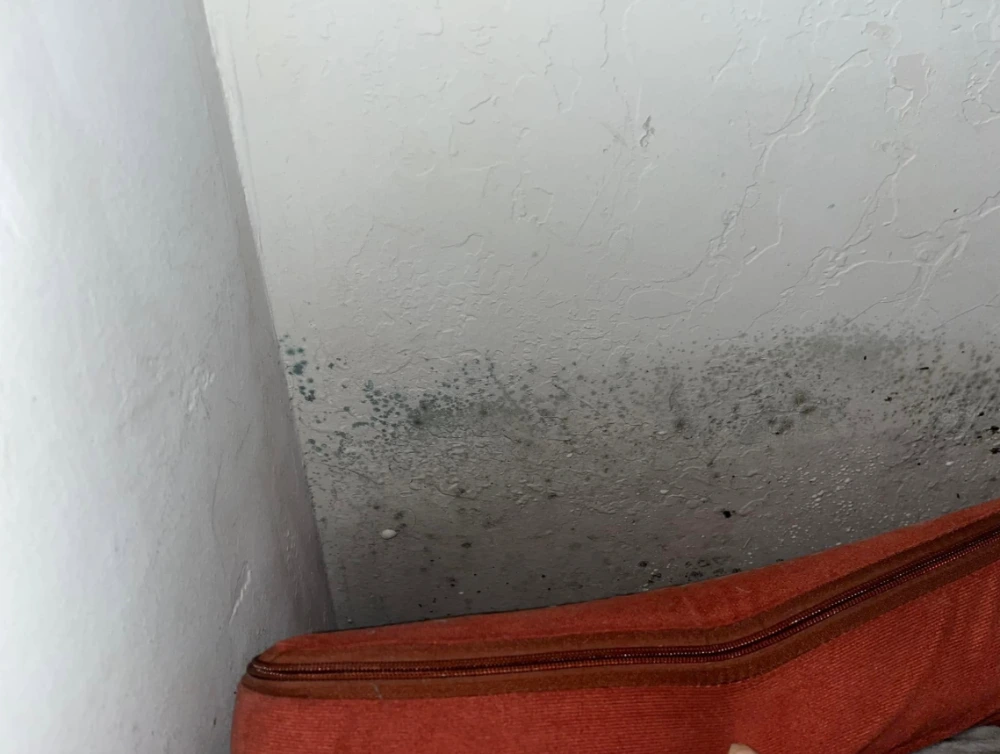
Real mold assessment job in a rent-stabilized Inwood walk-up. ZIP 10034.
Most of the pre-war six-story walk-ups east of Broadway in Inwood are rent-stabilized, and a lot of the households living in them have been in the same unit for ten, twenty, sometimes thirty years. That kind of tenure changes how mold shows up. A moisture problem that started as a small drip behind a wall in 2010 has had a decade and a half to spread if nobody ever fixed the actual source, not just painted over the symptom. If you have lived in your apartment a long time and you are dealing with a mold problem that keeps resurfacing, this page is about what rent stabilization does, and does not, change about your situation.
Does Rent Stabilization Change Your Landlord’s Mold Obligations?
No, not directly. The basic obligation to maintain a livable, mold-free apartment comes from the warranty of habitability and, in buildings with three or more units, from NYC Local Law 55, and those apply the same way whether your unit is rent-stabilized, market-rate, or anything in between. Your landlord does not get to fix mold more slowly or do a worse job because your rent is below market. What rent stabilization actually changes is the protections and pathways around that obligation, not the obligation itself.
Can My Landlord Refuse to Renew My Lease If I Report Mold?
Rent-stabilized tenants have a right to lease renewal, with only a narrow set of legal exceptions, and retaliating against a tenant for reporting a housing condition like mold, by refusing to renew, raising rent improperly, or reducing services, is not one of them. If you file a 311 complaint or a DHCR complaint about mold and your landlord responds by threatening non-renewal, that is worth documenting and raising with a tenant advocate, because it runs against the protections rent stabilization is specifically designed to provide.
Why Long-Tenure Rent-Stabilized Apartments in Inwood See More Recurring Mold
Independent research on NYC 311 mold complaint data has found that lower-rent buildings tend to see more mold complaints, largely because they are more likely to have smaller management operations that are slower to respond to maintenance requests. That pattern lines up with what we see in Inwood’s rent-stabilized stock east of Broadway: original 1920s plumbing risers that have never been fully replaced, basement and cellar areas with limited ventilation, and years of minor leaks that got a surface wipe-down instead of a real fix. None of that is a reason to expect less from a remediation, it is exactly why the assessment needs to look behind the wall, not just at what is visible.
Is My Landlord Required to Fix Mold Even If My Rent Is Below Market?
Yes. The habitability standard and Local Law 55 obligations are not tied to how much rent you pay. A landlord who is slower to act in a rent-stabilized building is not operating within a different legal standard, they are simply not meeting the one that applies to every unit in a building with three or more apartments.
What Protections Does Rent Stabilization Add on Top of Basic Tenant Rights?
Rent stabilization gives you an additional pathway that unregulated tenants do not have: a complaint directly to the New York State Division of Housing and Community Renewal, DHCR, which oversees rent-stabilized housing specifically. Alongside the standard 311/HPD complaint process, this gives you a second, parallel avenue if a mold problem is left unaddressed.
Can I File a DHCR Complaint for a Mold Problem?
Yes. A rent-stabilized tenant can file a “decreased services” complaint with DHCR when a landlord fails to maintain the apartment in a habitable condition, which can include chronic, unaddressed mold. If DHCR finds the complaint valid, it can order a rent reduction until the condition is corrected. This is separate from, and can run alongside, a 311/HPD complaint, it is not an either-or choice.
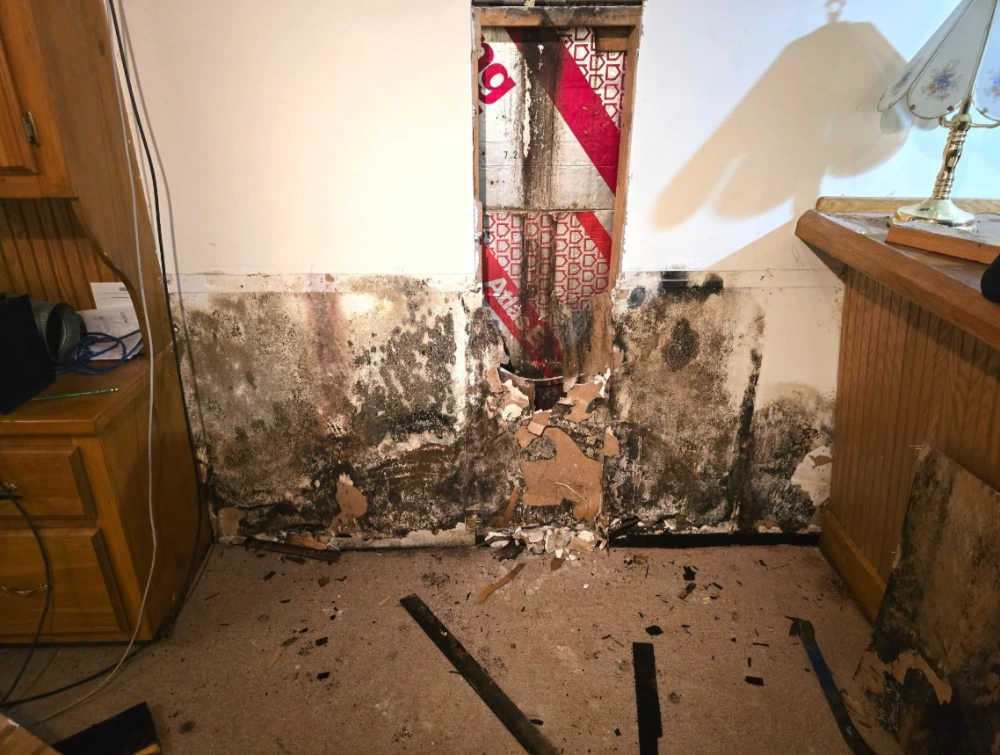
Documenting a long-standing moisture problem before remediation. Inwood, Manhattan – ZIP 10034.
What to Do If You’ve Lived With Mold for Years and Nothing’s Been Fixed
Start with documentation, even if the problem has been going on for a long time. Photos and video dated over time, any written complaints you have already sent, and a record of what your landlord did or did not do in response all matter, both for a 311/HPD complaint and for a DHCR filing. From there:
- Put your complaint in writing to your landlord or management company if you have not already, even if you have raised it verbally before
- File a 311 complaint to get an HPD inspection and, if warranted, a violation on record
- Consider a parallel DHCR “decreased services” complaint given your rent-stabilized status, which can result in a rent reduction while the condition goes unfixed
- If the mold has been an issue for years despite repeated complaints, low-cost or free legal help can advise on an HP Action to compel repairs
Long-standing mold in a rent-stabilized apartment usually means the moisture source was never actually found. We can help you document what’s really going on. Call (917) 694-9003.
Rent-Stabilized Tenant Rights & Mold – Frequently Asked Questions
Mold That’s Been There for Years? Let’s Find Out What’s Really Behind It.
Free guidance for rent-stabilized Inwood tenants. Inwood, Manhattan – ZIP 10034. No pressure, no obligation.