📄 Insurance Guide · Inwood, Manhattan · ZIP 10034
Does Insurance Cover Mold in NYC? Homeowners, Renters and Co-op Policies Explained
Most mold claims in New York are decided by one question: how did the water get there? Here is how homeowners, renters, co-op and flood policies usually treat mold, and how to protect a claim from day one.
Published October 8, 2026. Written by the Inwood Mold & Remediation team. Flood insurance facts from FEMA and FloodSmart. General information, not insurance advice.
Does insurance cover mold in NYC?
Sometimes. Most New York homeowners, condo and co-op policies cover mold only when it comes from a sudden, accidental water event the policy already covers, like a burst pipe, and often with a lower limit for mold. Mold from slow leaks, humidity, condensation or poor maintenance is usually excluded, and flood needs a separate flood policy.
“Does insurance cover mold?” We get asked that on almost every water damage job in Inwood, usually while someone is standing in a wet hallway on the phone with their insurer. We are not insurance agents, and your policy wording decides your claim. But after years of these jobs, the pattern is consistent enough to explain plainly, and knowing it early is what keeps a claim from falling apart.
What is the difference between sudden and gradual water damage?
Sudden means the water came from a one-time accidental event, like a pipe bursting or a washer hose splitting, and you found and reported it quickly. Gradual means it built up over time: a slow drip, a leaking radiator valve all winter, condensation, humidity. Insurers usually cover sudden and exclude gradual, and that one distinction decides most mold claims.
| What happened | Usually | Why |
|---|---|---|
| Supply line bursts inside a wall | Often covered | Sudden and accidental, if reported and dried fast |
| Washing machine or dishwasher hose splits | Often covered | Sudden discharge from an appliance |
| Slow drip under the kitchen sink for months | Usually excluded | Treated as gradual or maintenance |
| Radiator valve leaking all heating season | Usually excluded | Long-term leak, a maintenance issue |
| Riser leak inside a pre-war wall, found months later | Usually excluded | Common in 1920s Inwood walk-ups; the long timeline reads as gradual |
| Condensation and humidity on walls and windows | Excluded | Not a sudden event |
| Storm surge or flood water in the basement | Excluded on home policies | Needs a separate flood policy |
| Sewer or drain backup | Often excluded | Unless you added a backup endorsement |
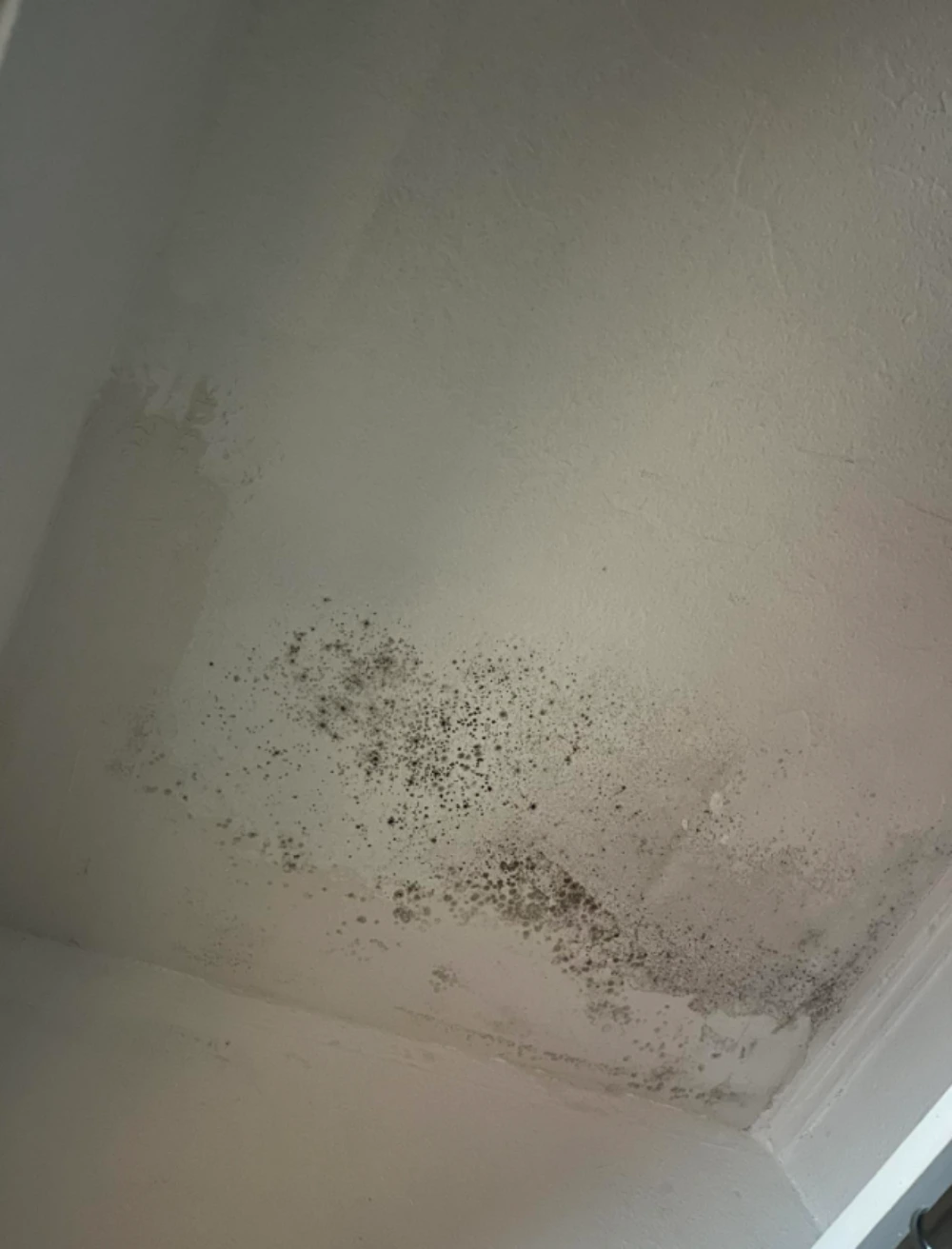
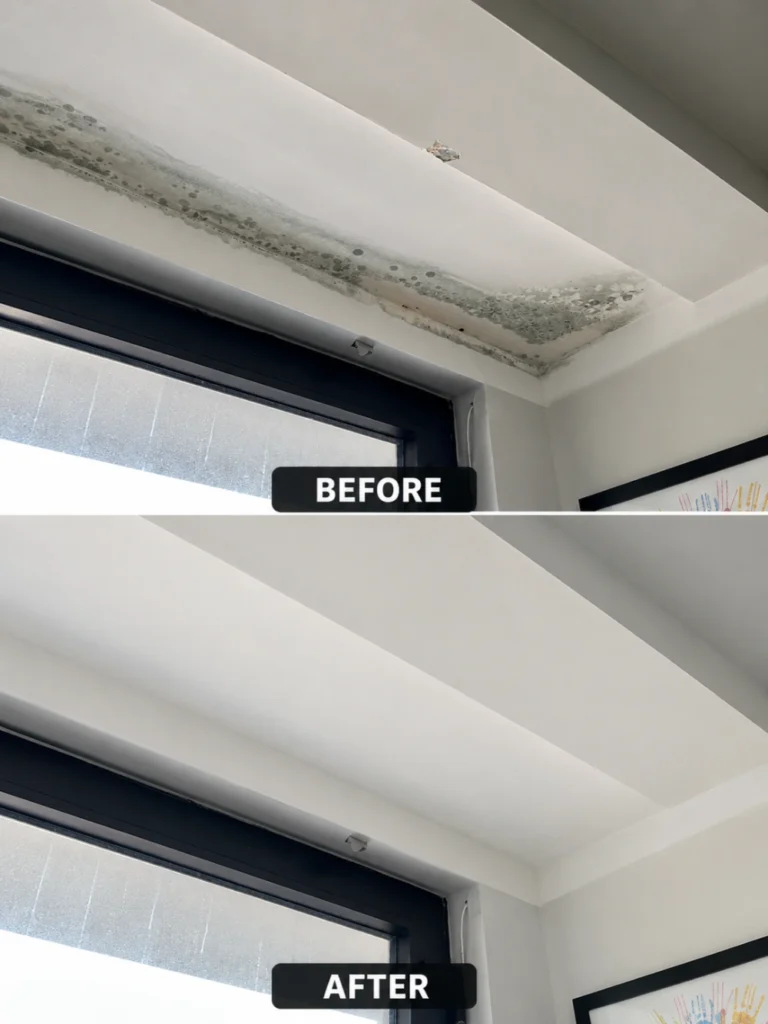
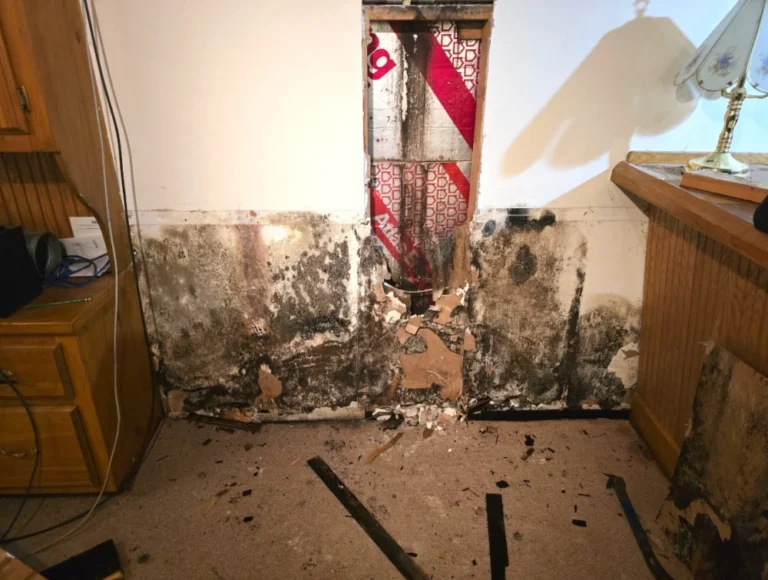
Why do insurers care so much about timing? Because, as the EPA notes, drying wet materials within 24 to 48 hours is what prevents mold growth in most cases. A burst pipe that was dried the same day rarely turns into a big mold job. A leak that ran behind a wall in a pre-war walk-up for three months almost always does, and the adjuster can usually tell which one they are looking at.
Which policy covers what: renter, landlord, co-op or homeowner?
Each policy covers a different slice. A renters policy covers your belongings. The landlord’s policy covers the building. In a co-op, the building’s master policy generally covers the structure, and the shareholder’s own policy generally covers contents and interior improvements. A one or two family house owner, common in Marble Hill, carries a standard homeowners policy.
In Inwood that matters more than most places. Around 92% of residents rent, mostly in 1920s walk-ups, and a smaller group owns co-ops in the Art Deco buildings west of Broadway. So the first question on most jobs is not “is it covered,” it is “whose policy is it?”
- Renters. Your policy may help with damaged belongings from a covered event. The mold in the walls, and the leak behind it, are generally the landlord’s to fix under Local Law 55 in buildings with three or more units.
- Landlords. The building policy is where mold in walls, risers and common areas would be claimed, subject to the same sudden vs gradual rules.
- Co-op shareholders. Your proprietary lease splits responsibility between you and the corporation. Read it with your managing agent before anyone opens a wall.
- Homeowners. In a house, the whole structure is yours, and so is the claim. In Marble Hill, where most residential lots are one or two family houses, that usually means attic, basement and gutter-related leaks land on your own policy.
When the water comes from the apartment upstairs, it gets more complicated, because two units and sometimes two or three policies are involved. Start with your own agent and the managing agent, and document everything in your unit.
Water damage today?
The first 48 hours decide most mold claims. Call (917) 694-9003 for a same-day assessment in Inwood. We document the source, map the moisture and put the scope in writing.
Will flood insurance pay for mold after a storm?
Standard homeowners and renters policies do not cover flood damage. That takes a separate policy, usually through the National Flood Insurance Program. NFIP policies cover direct physical flood damage, but FEMA says they will not cover mold damage if the policyholder fails to act to prevent the growth and spread of mold. See FloodSmart’s guidance on documenting damage and mold.
Parts of Inwood know this firsthand. During Superstorm Sandy in October 2012, Sherman Creek overflowed and pushed water across Tenth Avenue into the Dyckman Houses. Our Sandy and Ida page covers what happened and how to check whether your building sits in a flood zone.
A few points from FEMA’s FloodSmart program worth knowing before the next storm:
- Renters can buy flood coverage for their belongings.
- Mold may still be covered if officials banned entry to the area or floodwater kept you from reaching the home.
- NFIP flood insurance does not cover additional living expenses like a hotel.
- Coverage in basements is limited, so check what yours includes.
- Talk to your adjuster before signing any cleaning or remediation agreement.
What should I do right away to protect a mold insurance claim?
Stop the water, document it, report it fast and start drying. Take photos and video of the source and the damage before anything is moved, write down when you found it, notify your insurer and, if you rent, your landlord in writing, and keep every receipt for emergency work. Delay is the most common reason mold claims get cut.
- Stop the source if you safely can: shut the valve, unplug the appliance, call the super.
- Photograph everything before cleanup, including inside closets and cabinets.
- Write down the timeline: when it started, when you found it, who you told.
- Report it promptly to your insurer, and in writing to your landlord or managing agent.
- Start drying within 24 to 48 hours: fans, open windows, pull soaked rugs and boxes out.
- Keep receipts for emergency water removal and drying.
- Ask before you sign any remediation contract, especially on a flood claim.
What documentation does an insurer usually want for mold?
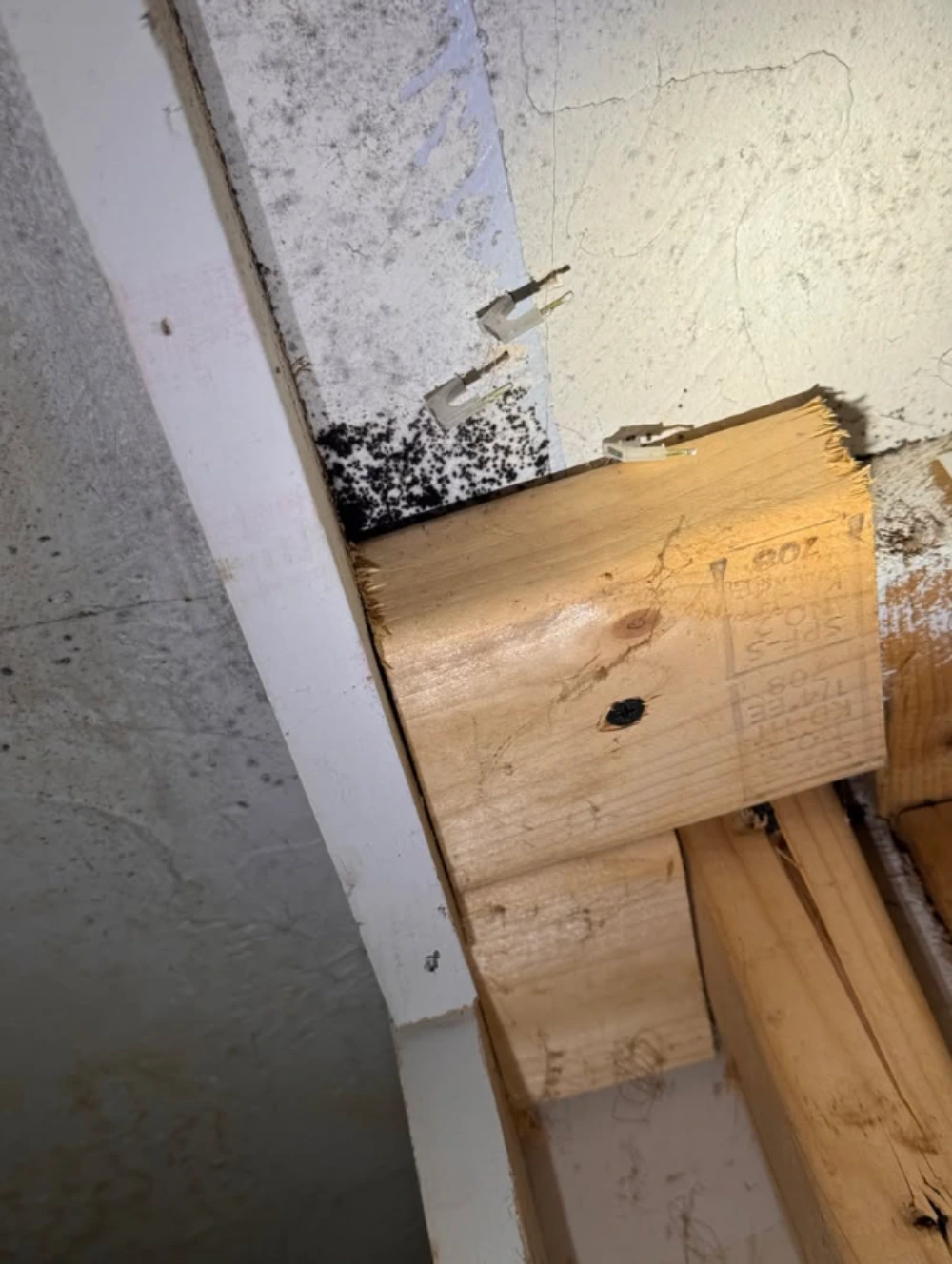
Adjusters want to see where the water came from, when it started, how far it spread and what it cost to fix. Dated photos, a moisture map, a written scope of work, itemized invoices and an independent clearance report answer most of those questions. Clean, consistent paperwork does not guarantee coverage, but missing paperwork often ends a claim.
On our jobs, that record comes together naturally. We photograph before, during and after, meter the moisture, and put the work in a written scope. In New York, any project over 10 square feet also needs an independent licensed assessor, who writes the remediation plan and runs the clearance test after we finish. We coordinate that assessor for you, and their clearance report is a strong document for any mold insurance claim, co-op board or buyer’s attorney. More on the rules on our NYC mold laws page.
So, does insurance cover mold? Sometimes, and the paperwork decides more than most people expect. What we won’t do is promise you that insurance will pay. Anyone who says that before reading your policy is guessing. Typical out-of-pocket ranges are on our mold removal cost page, and if the water is still running, our water damage page and emergency service page are the place to start.
This guide is general information, not insurance or legal advice. Your policy language and your insurer decide what is covered.
We work across Inwood (ZIP 10034) and nearby Upper Manhattan, including Washington Heights and Marble Hill.
About the author
Written by the team at Inwood Mold & Remediation, a mold remediation company working only in Upper Manhattan: Inwood (ZIP 10034), Washington Heights and Marble Hill. We remediate to a written scope and coordinate an independent licensed assessor for clearance, as New York’s Article 32 requires. See who we are and real jobs we have done.
Frequently Asked Questions
Seeing Mold in Your Inwood Apartment or Building?
Inwood, Manhattan – ZIP 10034. We find the moisture source first, give you a written scope, and use independent clearance testing. No pressure, no fear-mongering.
📞 Call (917) 694-9003 – Describe What You’re Seeing